Sling Kong is an arcade-style action game that challenges players to climb endless towers using skill, timing, and physics-based movement. Instead of running or jumping in the traditional sense, players launch a character upward by “slingshotting” it toward walls and platforms, using momentum and angle to progress. The game combines fast reflexes with strategic positioning to keep the climb going as high as possible.
Core Gameplay and Controls
The main mechanic of Sling Kong revolves around controlling each character’s trajectory. Players pull back and release to launch the character toward a target wall or platform. The angle and strength of each shot determine how high or far the character travels. Success depends on learning how different characters respond to physics, as some are heavier or bounce differently than others.
- Pull-and-release slingshot control for precise movement
- Angle and momentum influence jump distance
- Character-specific physics affecting strategy
Level Design and Obstacles
Levels in Sling Kong are essentially vertical towers filled with platforms, moving hazards, and walls that require timing. Some walls have spikes or slippery surfaces, while others contain rotating obstacles. Players must time launches carefully to avoid falling or hitting hazards, as a single mistake can end the climb.
- Static and moving platforms requiring precise timing
- Hazardous walls that punish misjudged launches
- Environmental challenges like narrow gaps or rotating obstacles
Character Variety and Unlockables
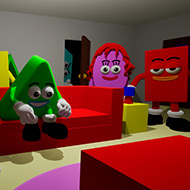
Sling Kong features multiple characters, each with unique abilities and physics behaviors. Some characters bounce higher, others move slower but are easier to control. Unlocking new characters often provides both cosmetic variety and gameplay advantages, encouraging players to experiment with different strategies.
- Unique bounce and weight properties per character
- Cosmetic variations for visual customization
- Special abilities that assist in higher climbs
High Scores and Progression
Progress in Sling Kong is measured primarily by vertical distance. Players are encouraged to climb higher with each attempt, learning from previous failures and mastering timing. Skill development revolves around reading platform layouts quickly and adjusting launches precisely to maintain momentum.
Sling Kong offers a fast-paced, physics-driven climbing challenge that combines reflexes, strategy, and experimentation. Its variety of characters, progressively difficult towers, and emphasis on mastering momentum make it an engaging game for players who enjoy arcade action that rewards timing and control.